
library: immigration status
¿Desea ver esta página en español? Seleccione su idioma en la esquina superior derecha.
Quer ver esta página em português? Selecione seu idioma no canto superior direito.
Voulez-vous voir cette page en français ? Choisissez votre langue en haut à droite.
Vle wè paj sa a an kreyòl ayisyen? Chwazi lang ou anlè adwat.
آیا میخواهید این صفحه را به زبان اسپانیایی ببینید؟ زبان خود را در گوشهٔ بالای سمت راست انتخاب کنید.
Jump to:
Resources introducing legal pathways to immigration status and safety
-
-
-
Download AILA flyers on various temporary status and protections topics below:
Flyer on Deferred Action for Childhood Arrivals (DACA) here.
Flyer on immigration protections for U.S. crime victims here.
Flyers (multilingual) on U Visa “bona fide determinations” here.
Flyer on H-1B nonimmigrant worker visas here and on online registration here and here.
Flyer on requesting to expedite pending nonimmigrant status applications here.
Flyer on requesting to waive nonimmigrant status application interviews.
Download various AILA flyers on accessing and maintaining permanent status below:
Flyers (multilingual) on protecting against “public health” barriers by producing a medical evaluation here and proving COVID-19 vaccination status here.
Flyer explaining the Diversity Visa pathway to lawful permanent residence (LPR) here.
Flyer explaining LPR removal proceedings at ports of entry here.
Download various AILA flyers on becoming a citizen by naturalization below:
-
-
Legal and policy guides: includes Spanish, English and Haitian Creole guides to immigration court, Special Immigrant Juvenile Status and Asylum, as well as Spanish and English guides to Special Education and school enrollment rights.
-
-
Attorney guide to applying for asylum on Form I-589
-
-
-
Several organizations publish example completed I-589s that VAAP would considered complete and appropriate for filing an initial claim, assuming everything stated is true and correct to the best of the asylum seeker’s knowledge:
Sample I-589 by Tahirih Justice
Download Human Rights First’s tips for filling out Form I-589
-
-
-
Community guide to applying for asylum on Form I-589
-
Access ILAP Maine’s self-help I-589 filing guide for the Chelmsford Immigration Court in English here and in Spanish here.
-
-
Access the guide here in Spanish and here in English.
Access a Spanish-version of the I-589 asylum application form here.
-
-
Asylum applicants can apply for their work permit 150 days after their asylum application is received by the government.
Call the Immigration Court at 800-898-7180 and follow the prompts to learn how long your asylum application has been pending (and to count backwards to learn when the government considered your application to be filed)
Apply online or by paper at https://www.uscis.gov/i-765
-
Preparing evidence to support an asylum application
-
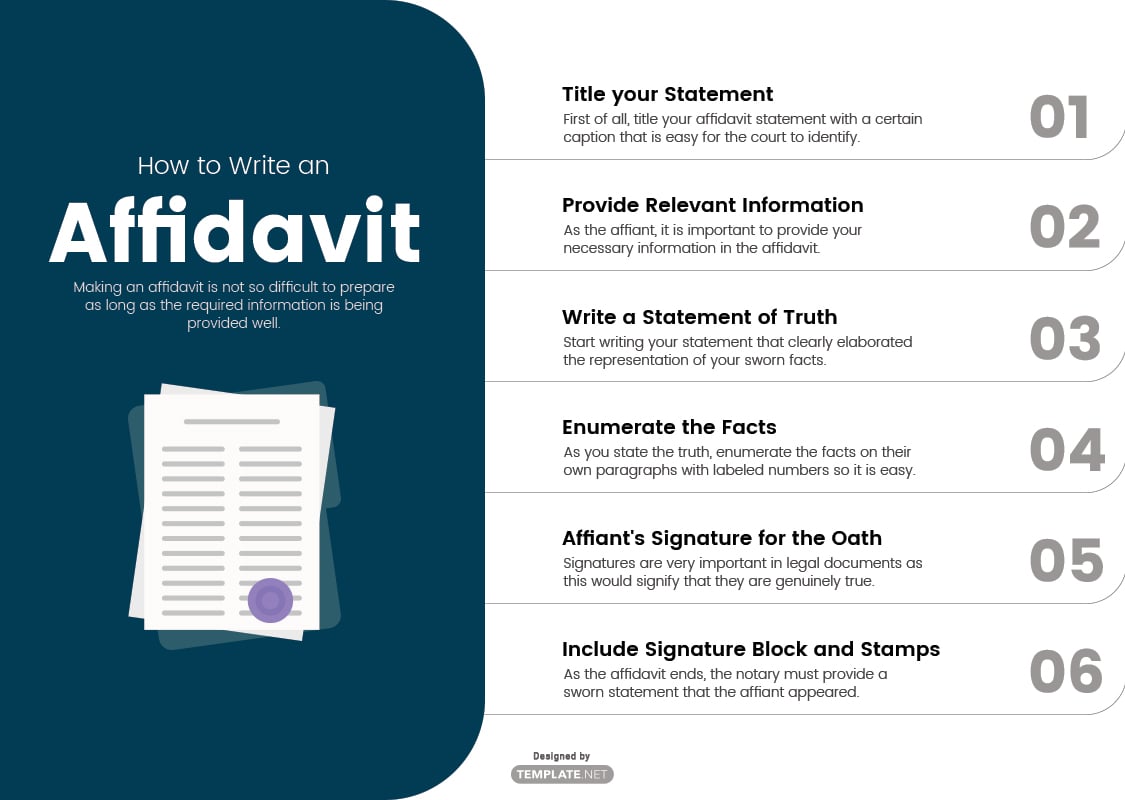
Opening Paragraph: “I am applying for asylum because…” (state your primary reason clearly). Briefly explain your well-founded fear and why you are seeking asylum. Include:
Your age, gender, and place of origin
A short explanation of your situation and why you are in the U.S.
Include a summary of the clear examples you will describe below, showing how harm or fear connects to your reason for asylum.
Use this format throughout:
Number all paragraphs
Write in the first person (“I”)
Begin with background information
Include one fact per paragraph with details
Organize events chronologically
Separate sections by type of fear or harm
Start with Familial / National Background
Describe where you are from and your living conditions
Family situation
Your age at key events
Next, Set the Scene for the Harm or Fear
Help the reader visualize where and how you lived
Describe abuse, threats, or violence
Include past events that explain your fear
Use names of people and places and other specific stories or details to to build credibility
Organize Harm or Fear into Sections
Example sections:
Familial abuse
Gang threats
War or political violence
Clearly connect your fear to one or more protected grounds: Race; Religion; Nationality; Political opinion; Membership in a particular social group (e.g. LGBTQ+ identity)
Next, Shift to Coming to the United States and Contemporary Life
How you arrived
Why you came this way
Why you came now
Current conditions
Safety, stability, or ongoing fear
Why You Cannot Return
Explain clearly why returning would put you in danger
—
Finally, your declaration must be:
Signed by you
Notarized by a legal notaryInclude a statement at the end confirming:
All information is true and accurate to the best of your knowledge
The statement is signed by you
Quality Checklist:
Check grammar and spelling carefully
Ask a fluent English speaker to review if needed
Keep paragraphs short
Be concise and avoid unnecessary details
Example story with structure (Trigger warning: Domestic/Family Violence)
-
Asylum interviews with USCIS and asylum hearings in Immigration Court
Resources for people losing Parole or Temporary Protected Status
-
If you’ve sponsored a newcomer who has arrived in the U.S. through humanitarian parole programs Processes for Cubans, Haitians, Nicaraguans, or Venezuelans or Uniting for Ukraine, check out our guide to alternative legal status options.
View explainers on policy changes made to the Welcome Corps and the Processes for Cubans, Haitians, Nicaraguans, and Venezuelans.
Resources focused on Special Immigrant Juvenile Status (SIJS)
-
Access the practice advisory here or download it in English here.
-
-
-
-
Resources about relief for cooperating survivors/victims of qualifying crimes
Resources if asylum is denied or you are ordered removed
-
Coming soon